Pooper Scooper Routines: A Clean, Healthy Yard in 2026
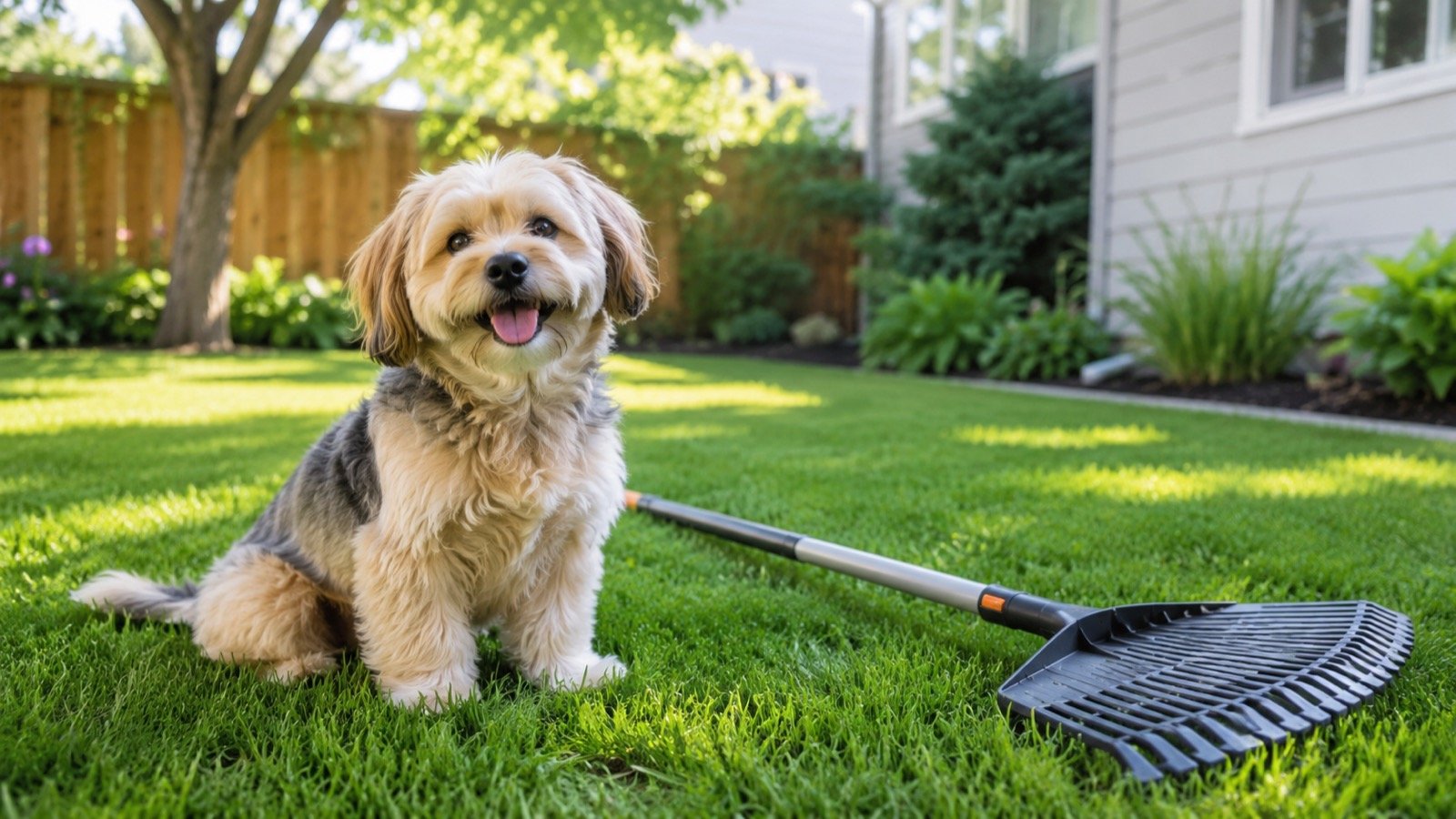
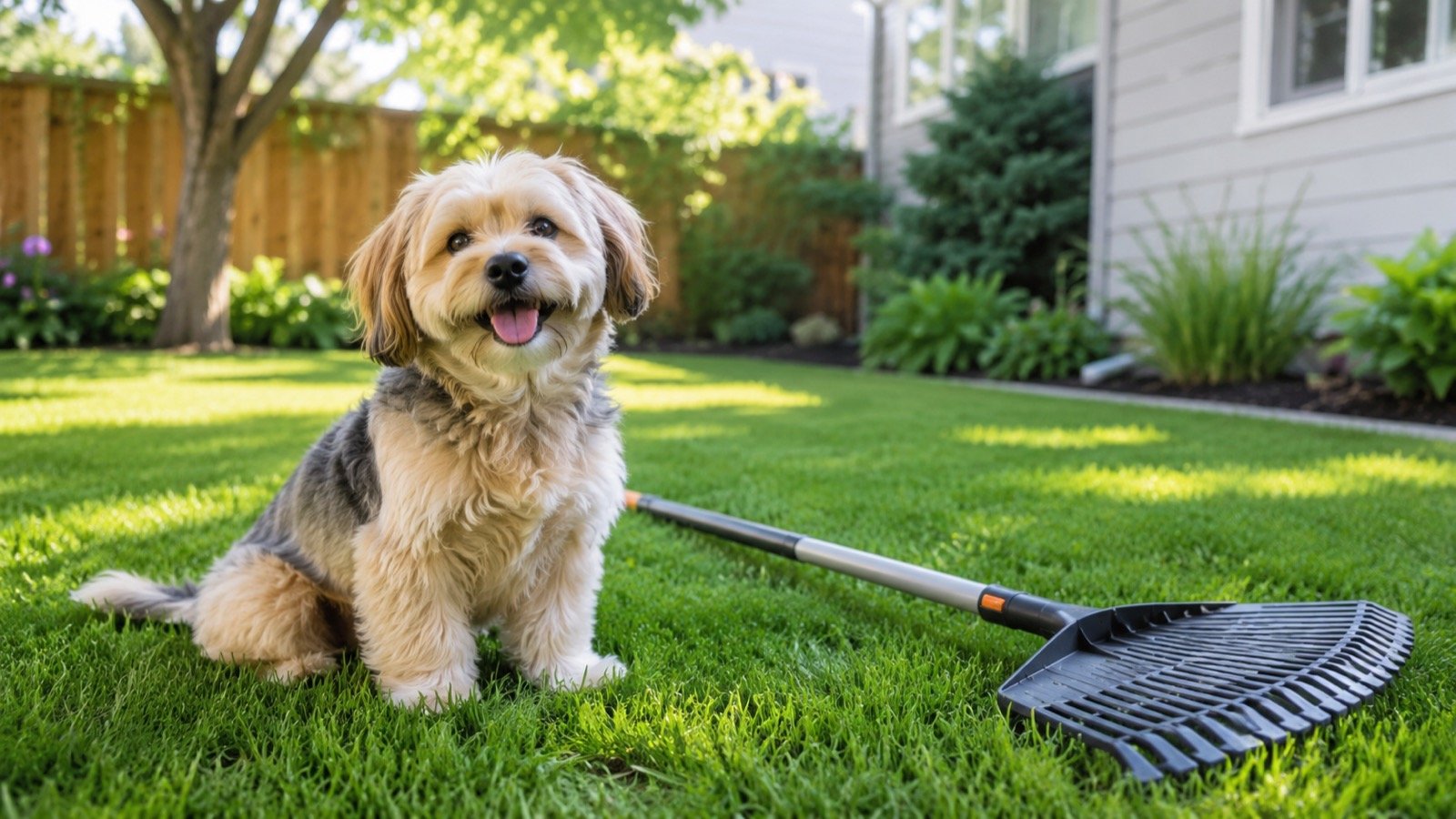
A spotless yard is not luck; it is a routine, and a dependable pooper scooper is the tool that makes the routine stick. Waste left on the lawn burns grass, breeds flies, and tracks indoors, yet a few minutes of consistent cleanup prevents all of it. This 2026 guide builds a simple weekly system around your scooper so your yard stays green, safe, and genuinely enjoyable.
Most owners do not have a tool problem; they have a habit problem. Once scooping becomes scheduled rather than optional, the yard transforms, and so does the time you actually want to spend in it.
What Waste Does to Your Lawn
Dog waste is not fertilizer. Its high nitrogen content scorches grass into yellow patches, and the acidity lingers in soil. Left alone, a single dog can leave a lawn pocked and patchy within weeks.
There is a health layer, too. The CDC notes that pet waste can harbor roundworms and other pathogens that survive in soil and reach children and other pets. Prompt removal is the simplest preventive step you can take.
Building Your Weekly Scooping Routine
The goal is frequency without friction. A good pooper scooper that lives by the back door removes the main excuse, and a light schedule keeps the workload tiny.
- Daily: a two-minute walk-and-scoop of high-traffic spots.
- Twice weekly: a full-yard sweep including corners and fence lines.
- Before mowing: always clear the lawn so you never spread waste.
- Monthly: deep-clean the scooper and restock bags.
Keeping a reliable Pooper scooper within arm’s reach of the door is the single biggest predictor of whether the routine survives past week one.
Right-Sizing the Effort for Your Yard
A small patio needs a quick daily pass; a half-acre lot benefits from a grid approach, working one section at a time. Match the effort to the space and the number of dogs, and the chore never balloons.
Daily vs. Weekly Cleanup Compared
| Approach | Time per Session | Lawn Health | Odor & Flies | Best For |
|---|---|---|---|---|
| Daily quick pass | 2–3 min | Excellent | Minimal | Small yards |
| Twice weekly sweep | 10–15 min | Good | Low | Medium yards |
| Weekly only | 20–30 min | Fair | Noticeable | Low-use yards |
How Often Should You Actually Scoop the Yard?
Daily is the gold standard, but consistency matters more than perfection. If daily is unrealistic, commit to a fixed twice-weekly rhythm and never let it slip past three days, especially in warm months.
- Pick two anchor days, such as Wednesday and Sunday.
- Attach the task to an existing habit, like the morning coffee.
- Keep bags and the scooper staged so there is zero setup.
- Track streaks for a month until it feels automatic.
Practical tip: scoop right after your dog goes when you are already outside together. Waste is firmest and easiest to lift fresh, and you skip a separate trip entirely.
Choosing a Scooper That Supports the Habit
A tool you dislike is a tool you avoid. Prioritize a clean-hands design, a comfortable handle, and a jaw that works on your specific grass. A durable Pooper Scooper metal build resists cold and heavy use, so the tool never becomes the reason your routine lapses.
For big properties or busy households, some owners schedule periodic help from reputable service experts and handle daily touch-ups themselves between visits.
Disposal Done Right
Bag waste promptly and seal it before it hits the bin to control odor. Never toss it in green-waste or garden compost meant for edibles. A lidded outdoor bin with a liner keeps smells down and pests out, which makes the whole routine more pleasant to maintain.
Seasonal Shifts in Your Scooping Routine
A yard routine that ignores the seasons breaks down the moment the weather turns. Small adjustments keep it running smoothly all year instead of collapsing every spring thaw.
In summer, heat speeds decomposition and draws flies within hours, so a daily pass becomes non-negotiable and early-morning timing beats the afternoon stink. In autumn, fallen leaves hide waste, so a quick rake-first pass stops you from mowing over missed piles. Winter freezes waste solid, which actually makes it easier to lift cleanly with a metal jaw, but snow cover means you should mark or remember high-traffic spots before they vanish. Spring is the reckoning: a thorough full-yard sweep clears whatever the snow concealed before new grass locks it in.
Plan for each season and the workload stays even instead of spiking into an overwhelming cleanup you keep postponing.
Protecting Kids and Pets From What Waste Leaves Behind
The reason to scoop promptly is not just aesthetics; it is the invisible residue waste leaves in the soil. That is where the real household risk lives.
Even after you remove the visible pile, eggs and bacteria can linger in the top layer of soil for weeks, which matters in any yard where children play barefoot or dogs sniff and dig. Prompt removal is the first defense, but pairing it with a weekly rinse of favorite spots and seasonal reseeding of bare patches keeps the lawn both safer and healthier. Owners who treat cleanup as a health habit, not a chore, tend to keep the routine going precisely because the stakes feel real.
Staging a Cleanup Station That Removes Excuses
The routine survives or dies on convenience, so build a small station that makes scooping a ten-second start. Friction is the real enemy of consistency.
Keep the scooper on a hook by the door you actually use, a box of bags within arm’s reach, and a lidded bin positioned where you finish rather than across the yard. Add a cheap pair of outdoor shoes you can slip on without thought. When every tool is staged and waiting, the mental cost of starting drops to nearly zero, and that is exactly what turns a good intention into a habit that lasts well past the first busy week.
Frequently Asked Questions
Does picking up waste really protect my grass?
Yes. Removing waste before the nitrogen leaches in prevents most burn patches, and a consistent routine keeps the lawn uniformly green instead of spotted.
What is the fastest way to clean a large yard?
Work in a grid, use a long-handled scooper so you stay upright, and carry the bin or a wheeled container with you so you are not walking back and forth.
How do I control odor between cleanups?
Scoop frequently, rinse hot spots, and use a sealed bin with liners. In summer, more frequent passes do far more for odor than any spray.
Can I train my dog to go in one area?
Yes, with consistent rewards and a designated spot. A single “potty zone” dramatically shrinks cleanup time and protects the rest of your lawn.
Conclusion
A reliable pooper scooper plus a light, scheduled routine is all it takes to keep your yard healthy, odor-free, and family-friendly through 2026. Right-size the effort, stage your tools, and anchor the habit to something you already do daily. Start your routine this week, and watch your lawn reward the consistency. Grab a dependable scooper and get your system rolling today.